Windows that leak air can add 10 to 25 percent to your heating and cooling costs every year, turning your HVAC system into an expensive band-aid for a fixable problem. The signs windows leaking air are often subtle at first – a slight draft, condensation on the glass, or rooms that never quite reach the right temperature. Recognizing these warning signals early helps you avoid wasted energy and the comfort problems that come with poorly sealed windows.
Why Air Leaks Around Windows Matter More Than You Think
Air leaks do more than raise your utility bills. They create uneven temperatures from room to room, force your furnace or air conditioner to run longer cycles, and let outdoor humidity and allergens into your living space. Over time, that moisture can damage trim, drywall, and even framing around the window opening.
Older homes in the Lansing area often have single-pane windows or original units installed decades ago. Even newer windows can develop leaks if the installation wasn’t done correctly or if the seals have started to fail. The materials expand and contract with Michigan’s temperature swings, and that movement eventually breaks down caulk, weatherstripping, and glazing.
How to Tell If Your Windows Are Losing Conditioned Air
The simplest test is the hand test. On a cold or windy day, hold your hand near the edges of a closed window. Move slowly around the frame, the sash, and where the glass meets the trim. If you feel moving air, you have a leak. This works best when there’s at least a 10-degree difference between indoor and outdoor temperatures.
Another quick check is the candle test. Light a candle or incense stick and hold it near the window seams. If the smoke wavers or blows sideways, air is moving through. This method picks up even small leaks that you might not feel with your hand.
Visible Condensation Between Panes
Double-pane windows have a sealed space between the two layers of glass, usually filled with an insulating gas like argon. When that seal fails, outside air gets in and moisture forms between the panes. You’ll see fog, water droplets, or a hazy film that you can’t wipe away from either side.
This isn’t just a cosmetic issue. Once the seal breaks, the insulating gas escapes and the window loses most of its thermal performance. The condensation can also leave mineral deposits or even mold growth that you can’t reach to clean. At that point, the window is no longer doing its job.
Drafts You Can Feel Near the Glass or Frame
A draft is the most obvious sign. You might notice it when you’re sitting near a window on a cold evening or when wind picks up outside. The air you feel is coming through gaps in the weatherstripping, cracks in the frame, or poor contact between the sash and the sill.
Weatherstripping wears out over time, especially on windows that get opened and closed frequently. Vinyl and foam strips compress, adhesive fails, and rubber hardens in the cold. If your windows are more than 15 years old and still have the original weatherstripping, there’s a good chance it’s no longer sealing properly.
Higher Than Normal Heating and Cooling Bills
If your energy bills creep up without a corresponding increase in usage, leaking windows are often part of the problem. Your HVAC system has to work harder to maintain the temperature you set on the thermostat, and that extra runtime shows up on your monthly statement.
Track your bills over a year and compare similar months. A 15 to 20 percent increase without a rate hike or a change in habits is a red flag. Leaking windows rarely act alone. They’re usually part of a broader envelope issue, but they’re one of the easier problems to fix with measurable results.
Rooms That Never Reach the Right Temperature
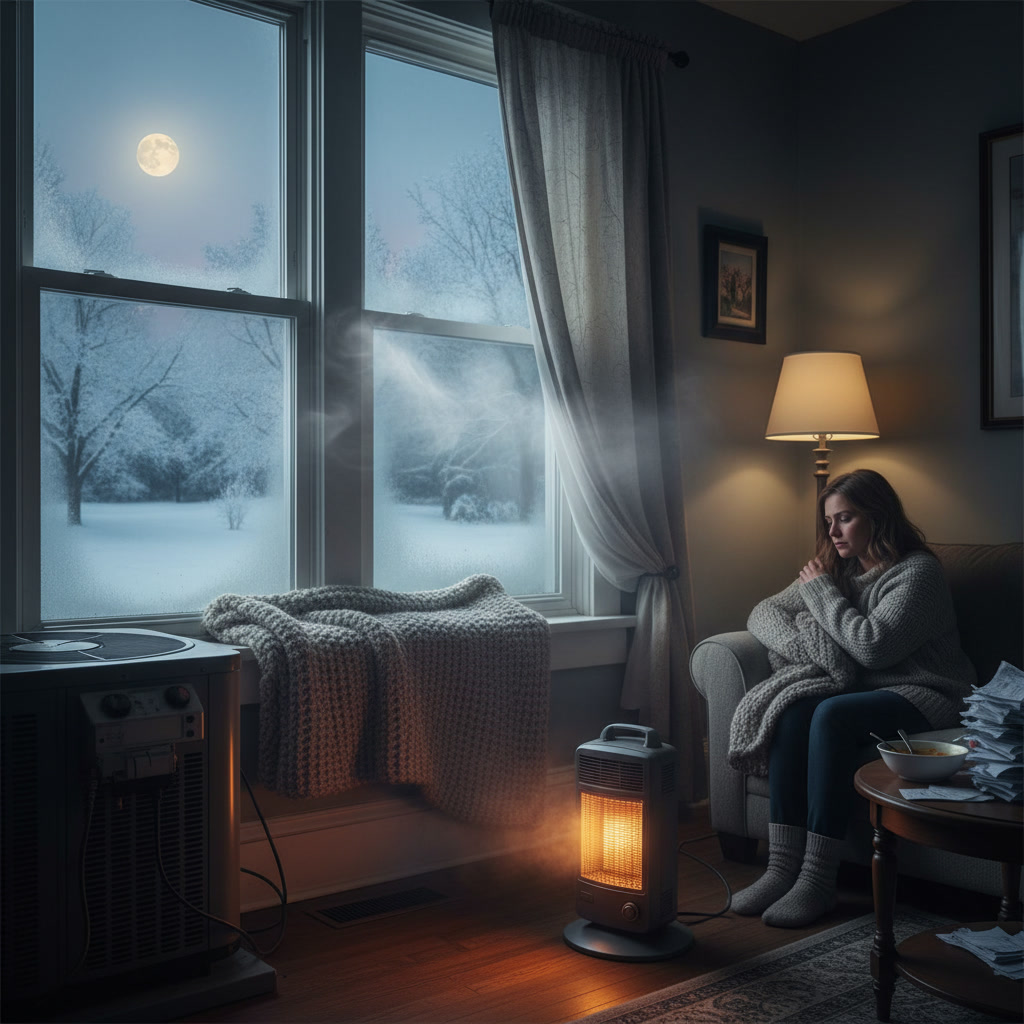
If one room is always colder in winter or warmer in summer, even with the vents open and the door closed, the windows in that room are likely losing conditioned air. This is especially common in rooms with multiple windows or large picture windows that face north or west.
Uneven temperatures force you to adjust the thermostat for the whole house just to make one room comfortable, which wastes energy everywhere else. Sealing or replacing the leaking windows in that space can bring the room back in line with the rest of the home.
Peeling Paint or Water Stains Around the Window Trim
When warm, moist indoor air leaks out through gaps around a window, it can condense on the cold surfaces inside the wall cavity or on the trim itself. Over time, that moisture causes paint to peel, wood to swell, and stains to appear on the drywall or sill.
Water damage around windows is a sign that the leak has been happening for a while. The longer it goes unaddressed, the more expensive the repair becomes. You may need to replace rotted trim or sill material in addition to fixing the window itself. If you’re planning other upgrades, coordinating renovations that address multiple issues at once can save time and money.
Visible Gaps or Cracks in the Frame or Sash
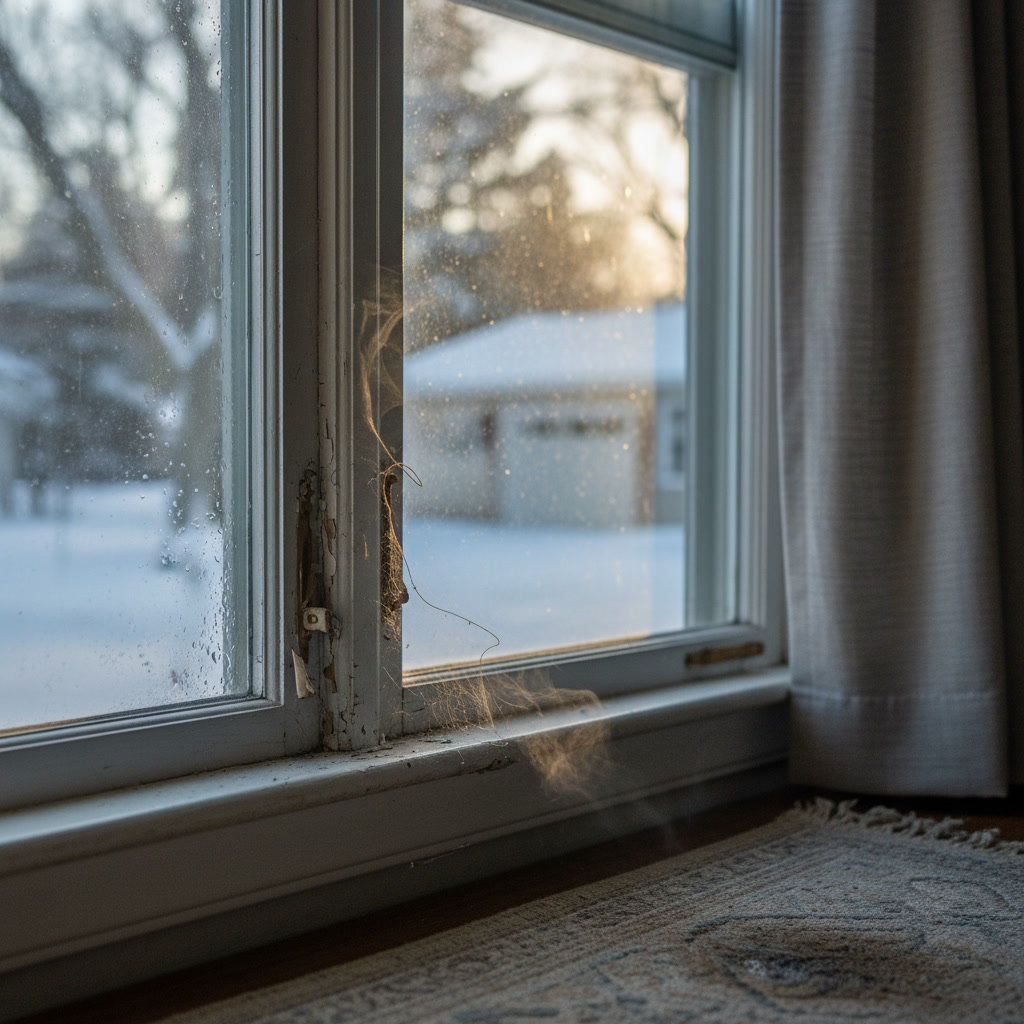
Sometimes the problem is obvious. You can see daylight through a crack in the frame, or there’s a visible gap between the sash and the sill when the window is closed. Wood frames can warp, vinyl can crack, and aluminum can corrode, all of which create openings for air to pass through.
Caulk that’s cracked, missing, or pulling away from the frame is another clear sign. Exterior caulk should form a continuous, flexible seal between the window frame and the siding. If it’s dried out or separating, wind-driven rain can get behind the window and air can move in both directions.
Increased Noise from Outside
Windows are supposed to provide a barrier against outdoor noise as well as temperature. If you start hearing more traffic, wind, or neighborhood sounds than you used to, it’s often because the seals around your windows have deteriorated.
This is a secondary symptom, but it’s one that people notice quickly. The same gaps that let sound in also let conditioned air out. Addressing the air leaks will usually reduce noise transmission at the same time, which is a bonus in busy neighborhoods or homes near main roads.
Old Single-Pane or Original Windows in Lansing Homes
Many homes built before 1980 still have their original single-pane windows. These units were never designed to meet modern energy standards, and even if they’re in good shape structurally, they leak air and transfer heat far more than double- or triple-pane replacements.
If your windows are more than 20 years old, it’s worth having them evaluated. Materials degrade, seals fail, and the energy you lose over a few years often exceeds the cost of replacement. All in One -1- Construction works with homeowners throughout the greater Lansing area to assess window performance and recommend solutions that fit the home and the budget.
What to Do When You Spot the Warning Signs
Once you’ve identified which windows are leaking, the next step depends on the severity of the problem. Minor gaps can sometimes be addressed with fresh caulk or new weatherstripping, but those fixes are temporary if the window itself is past its service life.
Professional windows and door replacements solve the root cause and often qualify for energy efficiency rebates or tax credits. A qualified contractor will measure the rough openings, recommend the right glass package for Michigan’s climate, and install the new units with proper flashing and insulation around the frame.
If you’re tackling other projects at the same time, such as new siding or flooring, coordinating the work under one contractor keeps the project organized and can reduce overall costs. Exterior upgrades often expose hidden issues around windows that are easier to fix when the siding is already off.
Keeping Your Home Comfortable and Efficient
Leaking windows are one of the most common and most fixable sources of energy waste in a home. Recognizing the warning signs early gives you time to plan the replacement on your terms, rather than waiting for a total failure in the middle of winter. Tighter windows mean lower bills, more consistent temperatures, and less wear on your heating and cooling equipment.
All in One -1- Construction handles window and door replacement projects throughout Williamston, Okemos, and East Lansing, bringing the same attention to detail whether you’re replacing one window or updating an entire home. If you’ve noticed any of these signs and want an honest assessment of your options, reach out at +15179745763 to schedule a consultation.