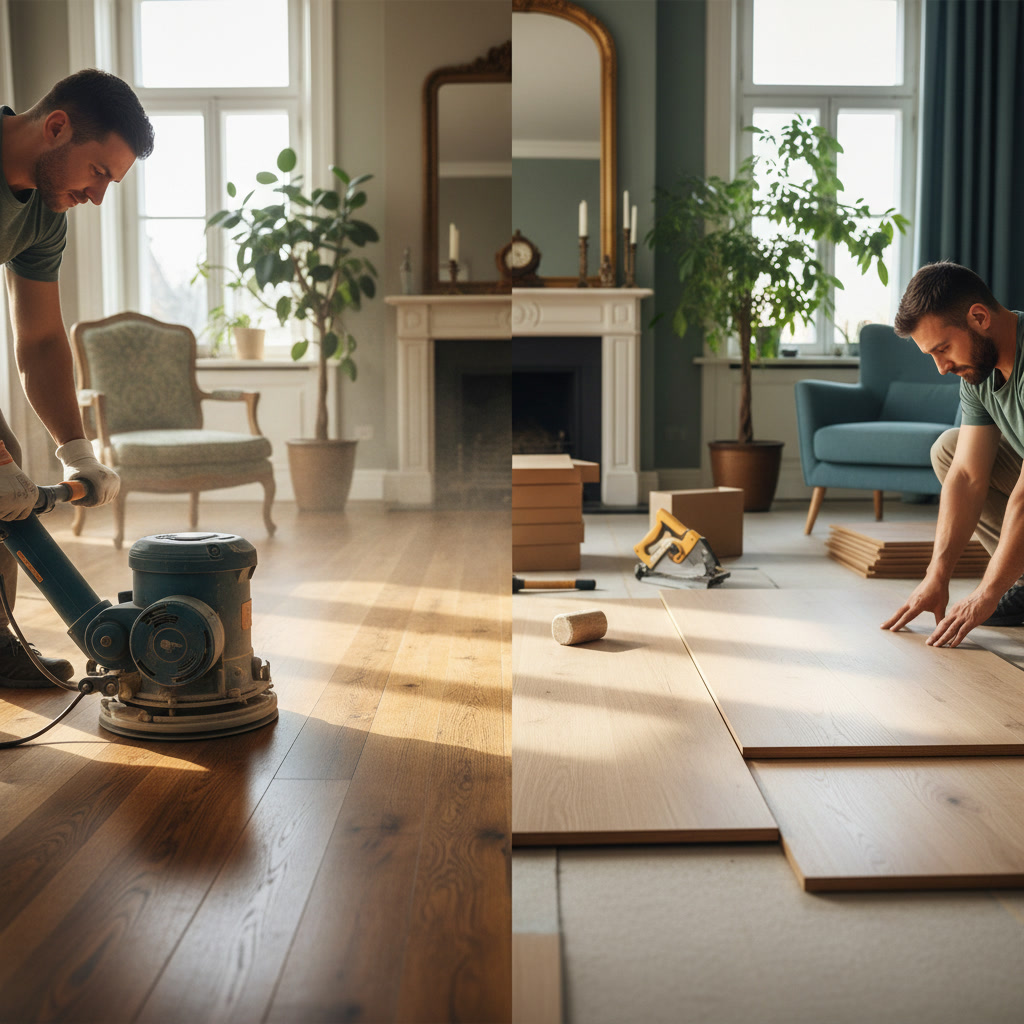
Refinishing restores worn hardwood by sanding away the top layer and applying fresh finish, while replacement involves removing old flooring and installing new boards. The right choice depends on wood thickness, structural damage, and whether your subfloor is sound. Refinishing typically costs 40-60% less than replacement and preserves original wood character, but only works if boards retain enough thickness and haven’t suffered water damage or deep gouging. Understanding when each approach makes sense saves money and delivers better results.
Why Hardwood Floor Condition Matters More Than Age
The age of your floors tells you less than their current condition. Many homeowners assume old floors need replacement, but wood from the 1920s often has more life left than builder-grade oak installed 15 years ago. What matters is remaining board thickness, surface damage depth, and whether moisture or structural issues have compromised the wood.
Solid hardwood can typically be refinished five to seven times over its lifespan, depending on board thickness. Each refinishing removes about 1/16 to 1/8 inch of wood. If your floors have been refinished multiple times already, you may be approaching the limit where nails start showing through or boards become too thin to sand safely.
How to Assess Whether Your Floors Can Be Refinished
Start by checking board thickness. If you have floor registers or transitions where you can see the edge profile, measure the solid wood above the tongue. You need at least 1/4 inch of wood above the tongue-and-groove joint to safely refinish. Anything thinner risks sanding through to the subfloor or breaking boards during the process.
Next, evaluate surface damage. Minor scratches, light wear patterns, and finish discoloration all refinish easily. Deep gouges, pet stains that have penetrated the wood, or cupping and warping from water damage usually mean replacement. Run your hand across suspect areas. If you feel height differences between boards or significant dish-shaped dips, moisture has likely damaged the wood structure.
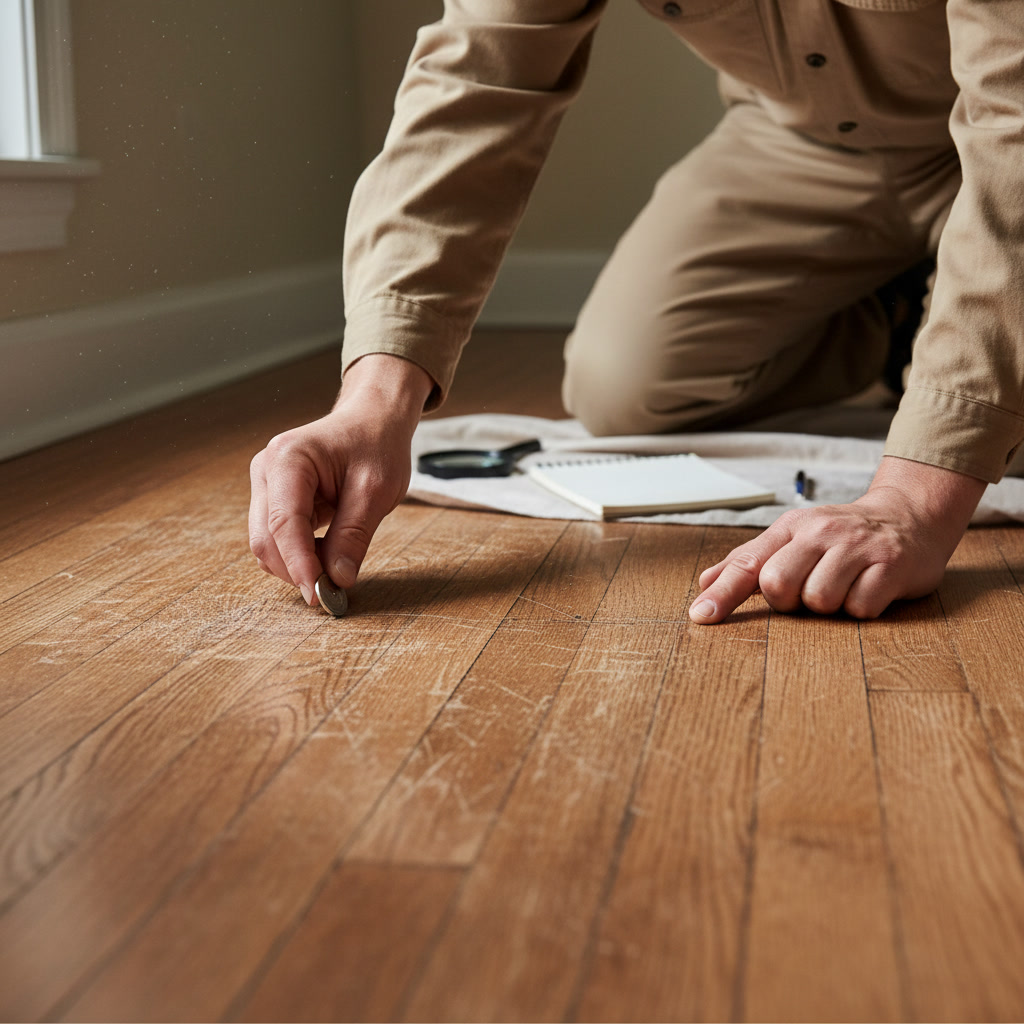
Check for hollow sounds by walking slowly across the floor. Tap with your knuckles in different areas. Solid, consistent sounds indicate good subfloor attachment. Hollow or creaky spots suggest the subfloor has deteriorated or boards have separated from joists. This often requires going beyond refinishing to address structural issues, which typically makes replacement the more practical choice.
When Refinishing Makes the Most Sense
Refinishing works best when your primary issue is cosmetic wear. Dull finish, surface scratches from furniture, light traffic patterns, and fading from sunlight all respond well to sanding and new finish application. If the wood itself remains structurally sound and boards lie flat, refinishing restores beauty at a fraction of replacement cost.
You also preserve the original character and grain patterns. Older growth hardwood often has tighter grain and richer color variation than modern materials. Many Lansing, MI homes built before 1960 feature quarter-sawn oak or maple that’s difficult to match with new flooring.
Refinishing typically takes two to four days depending on square footage and drying time between coats. The process generates significant dust even with modern equipment, but you avoid the demolition mess and disposal costs that come with full replacement.
When Replacement Becomes Necessary
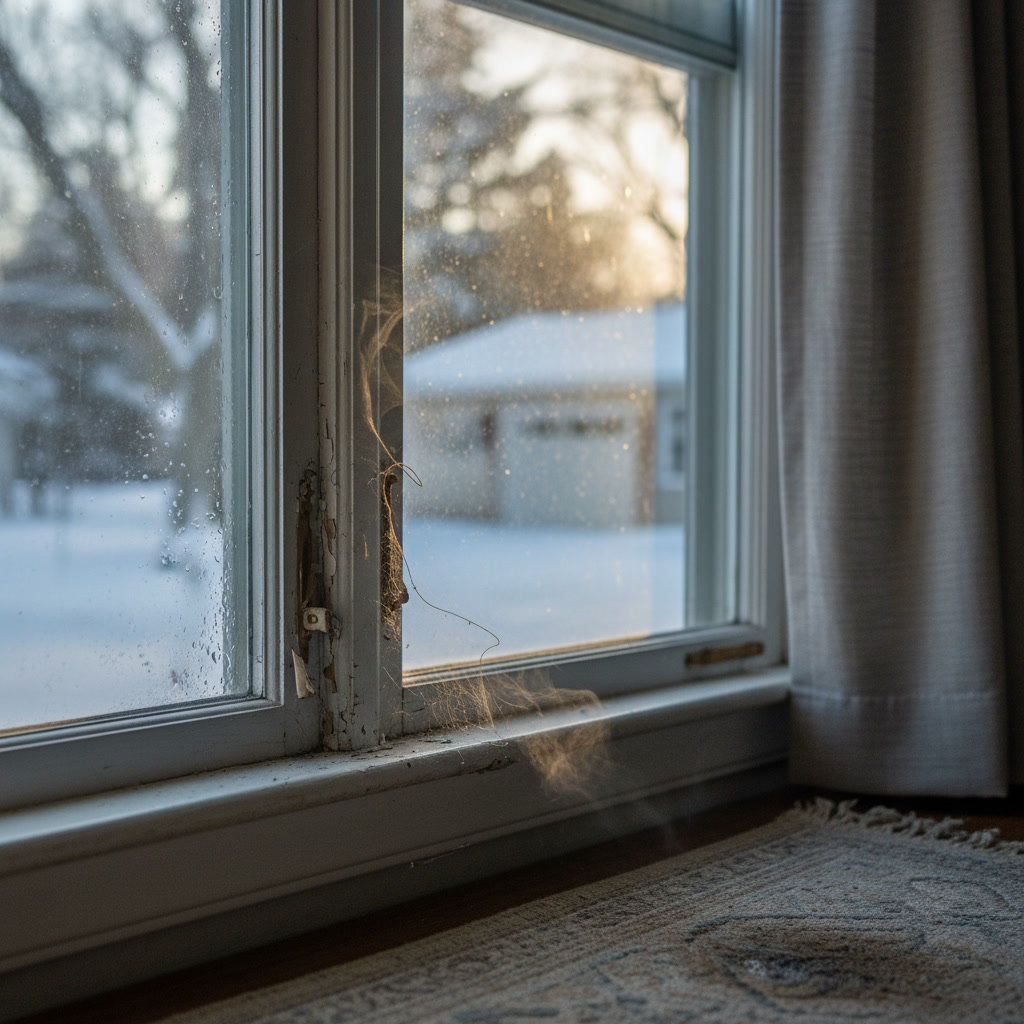
Water damage tops the list of conditions that require replacement. If boards have cupped, buckled, or show black staining from prolonged moisture exposure, the wood structure has changed permanently. Sanding might remove surface stains, but the boards will continue moving and may develop mold within the wood fibers.
Severe pet damage often forces replacement too. When urine has soaked through finish into wood and reached the subfloor, odor and staining penetrate too deep for refinishing to address. You’ll smell it every time humidity rises, and no amount of sanding removes the problem.
Structural issues like subfloor rot, broken joists, or significant floor sag also point toward replacement. If you need to access and repair the subfloor system anyway, it makes sense to install new flooring rather than trying to salvage compromised boards.
The Role of Engineered vs Solid Hardwood
Engineered hardwood changes the equation entirely. These floors have a thin veneer of real wood over plywood layers. Most engineered products can only be refinished once, if at all, depending on veneer thickness. Many have veneers of 1/16 inch or less, which won’t survive even a single sanding.
If you’re unsure whether you have solid or engineered flooring, look at a floor vent opening or under a threshold. Solid hardwood shows consistent wood grain through the entire thickness. Engineered flooring shows distinct layers when viewed from the edge, with a thin top layer over different material.
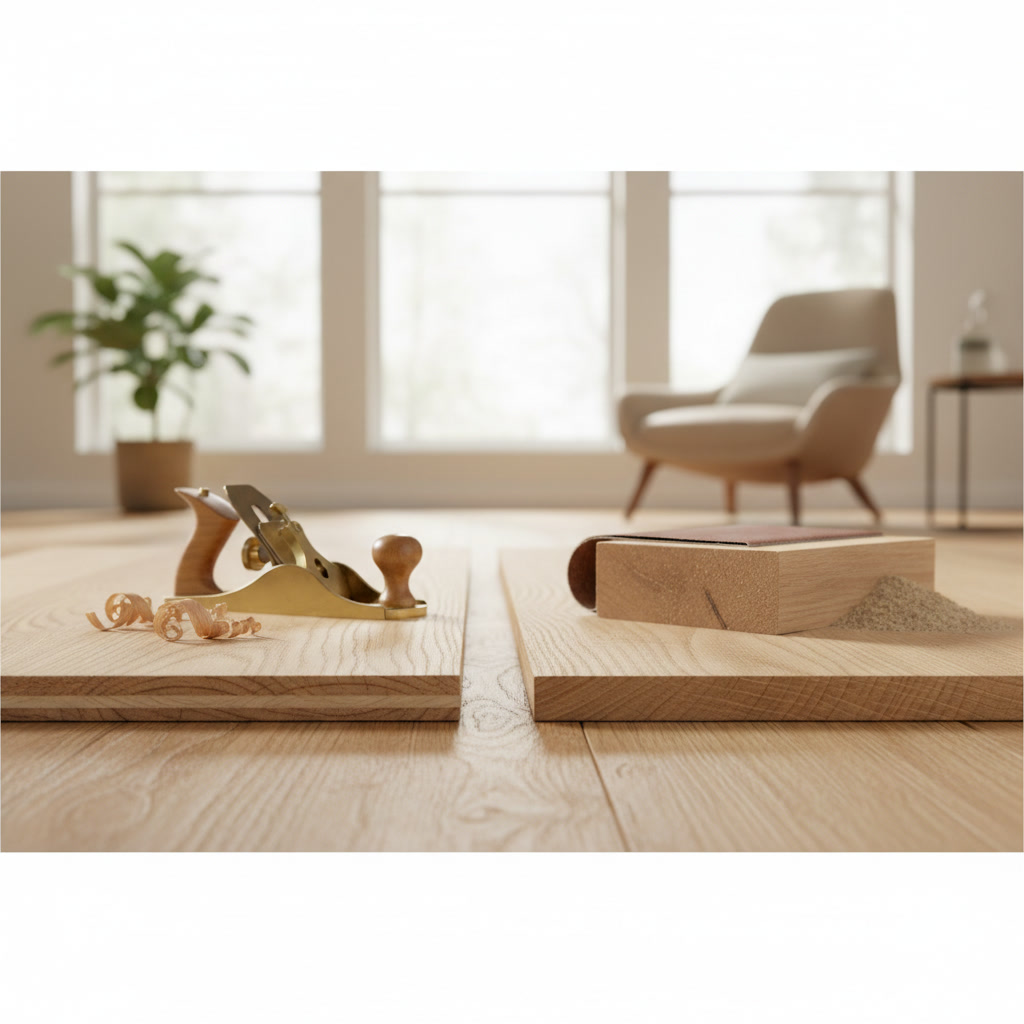
Engineered floors with significant wear usually need replacement. The cost difference between attempting a delicate refinish and installing new engineered flooring often favors replacement, especially when you factor in the risk of sanding through the veneer.
Cost Comparison: Refinishing vs Replacing in Lansing
Professional refinishing typically runs between three and five dollars per square foot in the greater Lansing area. That includes sanding, staining if desired, and finish coats. A 300-square-foot room costs roughly $900 to $1,500 to refinish.
Replacement costs vary widely based on material choice. Builder-grade solid oak starts around six to eight dollars per square foot installed, while premium species or wider planks can reach 12 to 18 dollars per square foot or more. The same 300-square-foot room runs $1,800 to $5,400 depending on material and installation complexity.
These figures don’t include subfloor repair, which adds cost to both approaches but affects replacement budgets more significantly. If joists need sistering or plywood needs replacing, budget another two to four dollars per square foot for structural work. Many homes built before 1950 have subfloor surprises once you pull up old flooring, which is why thorough inspection matters before committing to a budget.
How Subfloor Condition Drives the Decision
Your subfloor matters as much as the hardwood itself. Even if boards look refinishable, a deteriorated subfloor forces more extensive work. Before deciding, check for soft spots, water stains on basement ceilings below, or musty odors that indicate moisture problems.
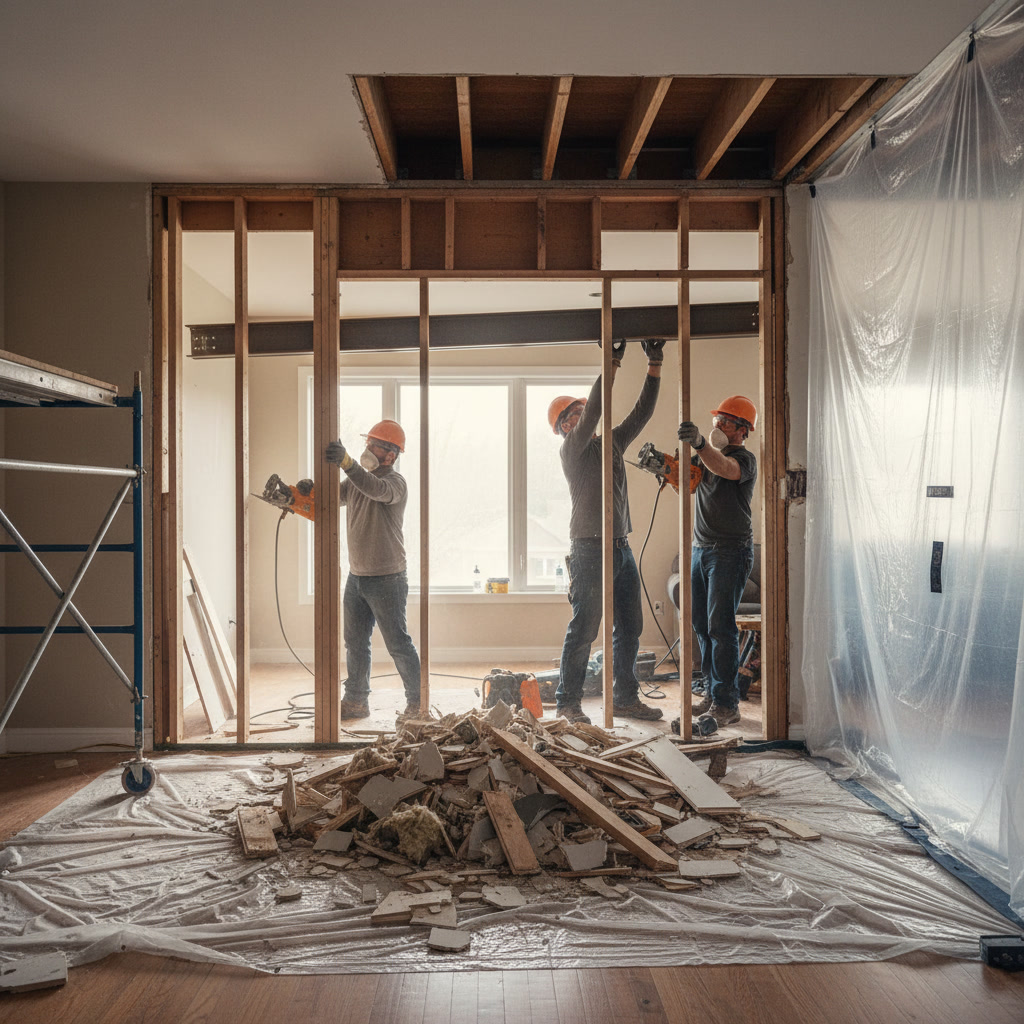
If you’re already planning other renovations that involve opening walls or accessing crawl spaces, coordinate the timing. Addressing hidden subfloor issues while walls are open costs less than making a second trip later. This integrated approach often makes sense when you’re tackling larger projects that affect multiple systems.
Homes with finished basements sometimes show moisture migration through first-floor subfloors. If you’ve had water issues below, inspect hardwood carefully for early cupping or edge staining that signals ongoing moisture movement.
Matching New Flooring to Existing in Partial Replacements
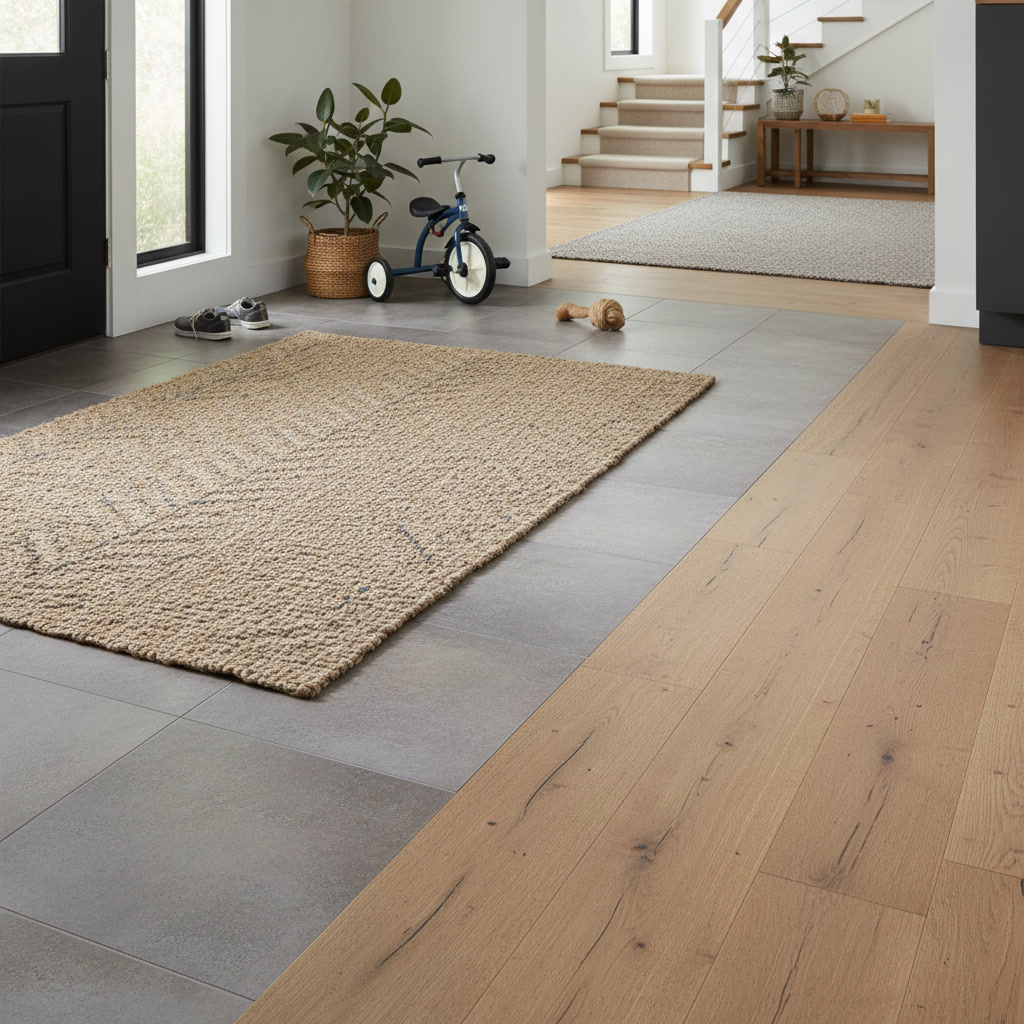
Sometimes you only need to replace flooring in one area, like a kitchen or bathroom where water damage occurred. Matching new boards to existing hardwood in adjacent rooms presents challenges. Wood oxidizes and changes color over decades, so even the same species looks different when new.
You have three approaches. First, try to source reclaimed flooring of the same species and era, which sometimes matches better than new wood. Second, install new flooring and refinish everything together so the entire surface gets uniform color and finish. Third, accept a visible transition and use a threshold or border detail to create an intentional design element rather than trying to hide the difference.
The refinish-everything approach costs more upfront but delivers the most cohesive result. If you’re only replacing 100 square feet but refinishing 800 to match, calculate the total cost against living with mismatched floors. Often the comprehensive approach makes sense for resale value and daily enjoyment.
Timeline Differences Between Refinishing and Replacement
Refinishing typically takes two to four days from start to finish. Day one involves sanding, day two handles staining if desired, and days three and four apply polyurethane coats with drying time between. You can usually walk on floors after 24 hours but should wait at least three days before moving furniture back.
Replacement takes longer. Demolition and disposal of old flooring takes half a day to a full day depending on square footage. Subfloor inspection and any needed repairs add time. New installation ranges from one to three days depending on room size and floor complexity. Then you add finish time if using unfinished boards, or immediate use if using prefinished materials.
Total replacement timelines often run five to seven days for a typical room, though prefinished engineered products can cut that to two or three days. If you need to move out during work, factor housing costs into your decision. For projects involving multiple rooms, proper planning through your flooring contractor keeps disruption manageable.
Environmental and Preservation Considerations
Refinishing carries a smaller environmental footprint than replacement. You avoid landfill waste from removed flooring and reduce demand for newly harvested timber. The energy and materials needed to manufacture and transport new flooring exceed what refinishing requires.
From a preservation standpoint, original hardwood contributes to home character and potentially resale value. Buyers often pay premiums for homes with original wood floors in good condition, especially in established neighborhoods where period details matter. Replacing original floors with modern materials sometimes diminishes that appeal.
That said, severely damaged original floors don’t add value. A refinished floor that still shows major flaws or a poorly matched replacement both detract from home appeal. Make the choice based on what delivers the best final result, not preservation for its own sake.
Making the Right Choice for Your Home
The decision between refinishing vs replacing floors comes down to wood condition, structural integrity, and your budget. Refinishing works when boards are thick enough, damage is superficial, and the subfloor is sound. Replacement makes sense when water damage has compromised wood structure, you’re dealing with thin veneers, or subfloor issues require access anyway.
Get a professional assessment before committing. What looks like surface wear might hide deeper problems, and what seems like catastrophic damage might refinish beautifully. Experienced contractors can test board thickness, check for hidden moisture, and give you realistic options with accurate cost projections.
All in One -1- Construction evaluates hardwood flooring throughout the greater Lansing area and helps homeowners understand their options. Whether your floors need refinishing, partial replacement, or a complete update, we provide honest assessments and quality work that fits your budget. Give us a call at +15179745763 to schedule an evaluation and discuss the best approach for your home.