Choosing flooring for high traffic areas requires balancing durability, maintenance requirements, and budget. Entryways, hallways, kitchens, and living rooms see the most foot activity and spills, so materials in these spaces must resist scratches, moisture, and daily wear while still looking good years later. The right choice depends on your household’s specific demands, from pets and kids to entertaining habits.
Why High Traffic Zones Require Different Flooring Standards
Not all flooring materials wear the same way. Spaces like mudrooms and hallways absorb constant impact from shoes, furniture movement, dropped items, and pet claws. A material that works beautifully in a guest bedroom may show serious damage within a year when installed in a kitchen or entryway.
High traffic areas also accumulate dirt and moisture faster. You need surfaces that clean easily without special treatments and resist staining from spills that don’t get wiped up immediately. Understanding these demands before you shop saves money and frustration down the road.
Understanding Durability Ratings and What They Actually Mean
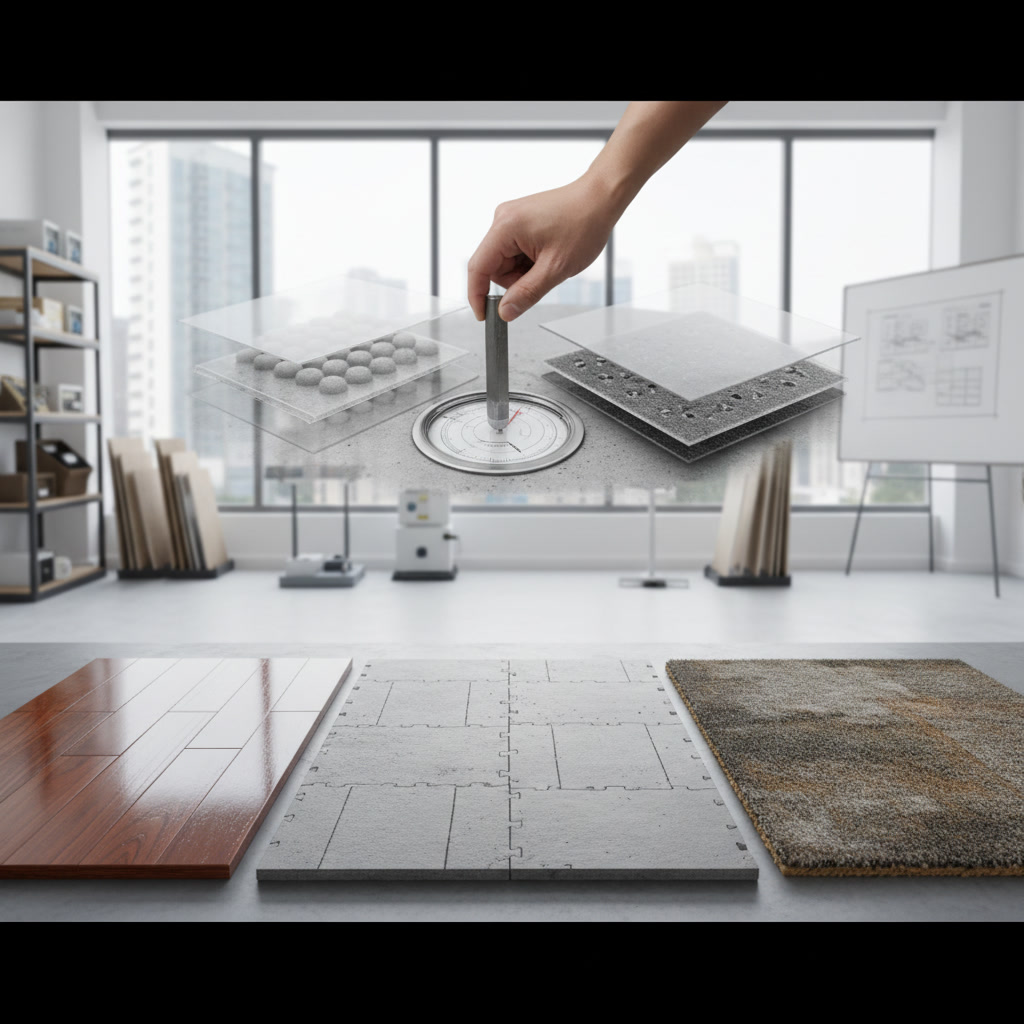
Manufacturers assign durability ratings to flooring products, but these ratings use different scales depending on the material type. For laminate and vinyl, look for an AC rating. AC3 handles moderate residential traffic, while AC4 and AC5 are rated for heavy residential or commercial use. Hardwood uses the Janka hardness scale, which measures resistance to denting and wear.
Brazilian walnut scores around 3,680 on the Janka scale, making it extremely durable. Red oak, a common choice, scores about 1,290. For comparison, any hardwood above 1,500 generally performs well in busy areas. Tile doesn’t use these scales but has PEI ratings that range from 1 to 5, with 4 and 5 suitable for high traffic residential spaces.
Engineered Hardwood Versus Solid Hardwood in Busy Spaces
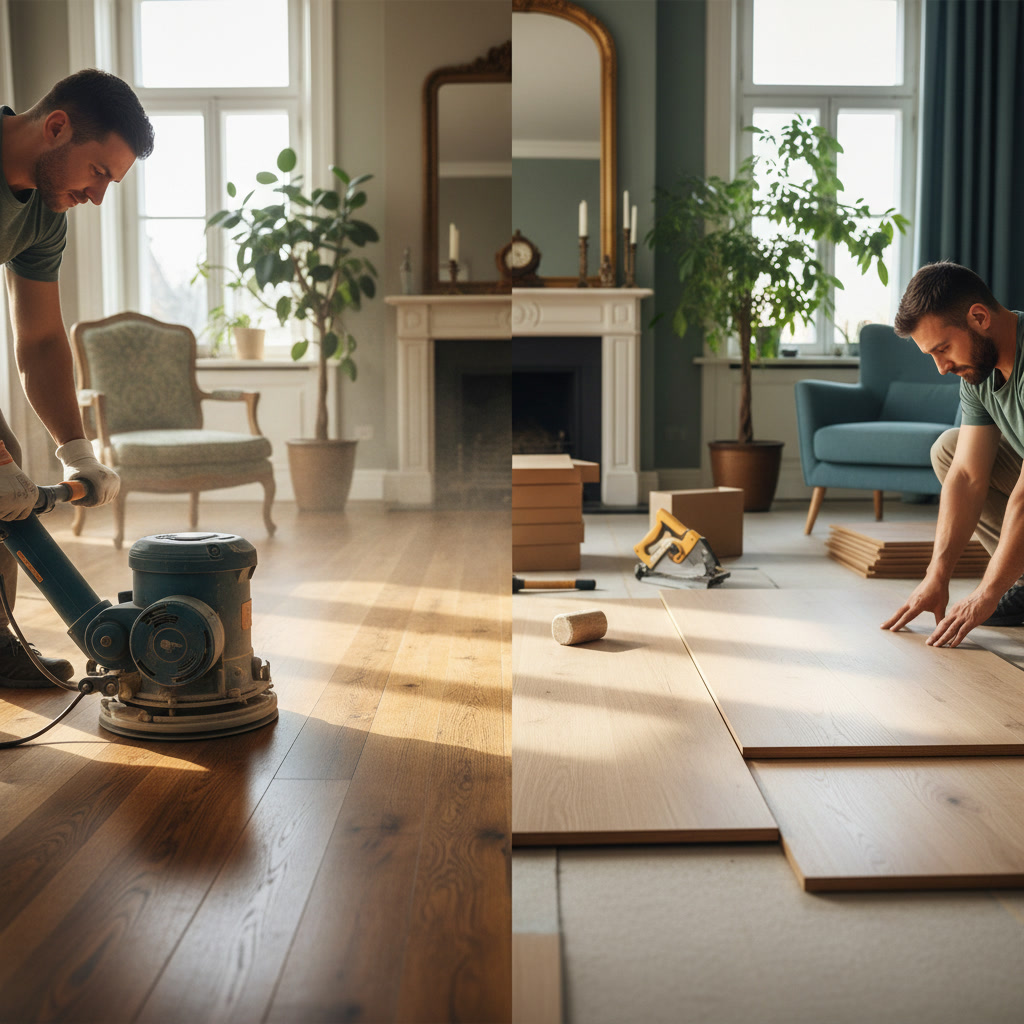
Solid hardwood offers timeless beauty and can be refinished multiple times over its lifespan. However, it expands and contracts with humidity changes and can show scratches more readily in high traffic zones. Engineered hardwood uses a real wood veneer over a plywood base, making it more dimensionally stable and better suited to spaces with temperature fluctuations.
The trade-off is that engineered hardwood can only be refinished once or twice, depending on veneer thickness. If you’re planning a renovation that includes flooring updates, engineered products often install faster and cost less while delivering similar aesthetics. For homes with radiant heating or concrete slabs, engineered hardwood is usually the better technical choice.
Luxury Vinyl Plank: Performance That Rivals Natural Materials
Luxury vinyl plank has become a top performer in high traffic areas because it combines realistic wood or stone looks with exceptional durability. The wear layer thickness matters most. A 12-mil or 20-mil wear layer handles heavy use better than 6-mil options, which are suited only for low traffic rooms.
Vinyl is 100 percent waterproof, making it ideal for kitchens, entryways, and basements where moisture is a concern. It’s also softer underfoot than tile or hardwood, which reduces fatigue during long cooking sessions. Installation can be floating or glued down, and many products include built-in underlayment that simplifies the process.
Porcelain and Ceramic Tile for Lansing Homes That Need Maximum Toughness
Tile remains one of the most durable options for high traffic spaces, especially porcelain. Porcelain is denser and less porous than ceramic, which means it resists stains and moisture better. Both materials handle scratches well, though grout lines require periodic sealing to prevent discoloration.
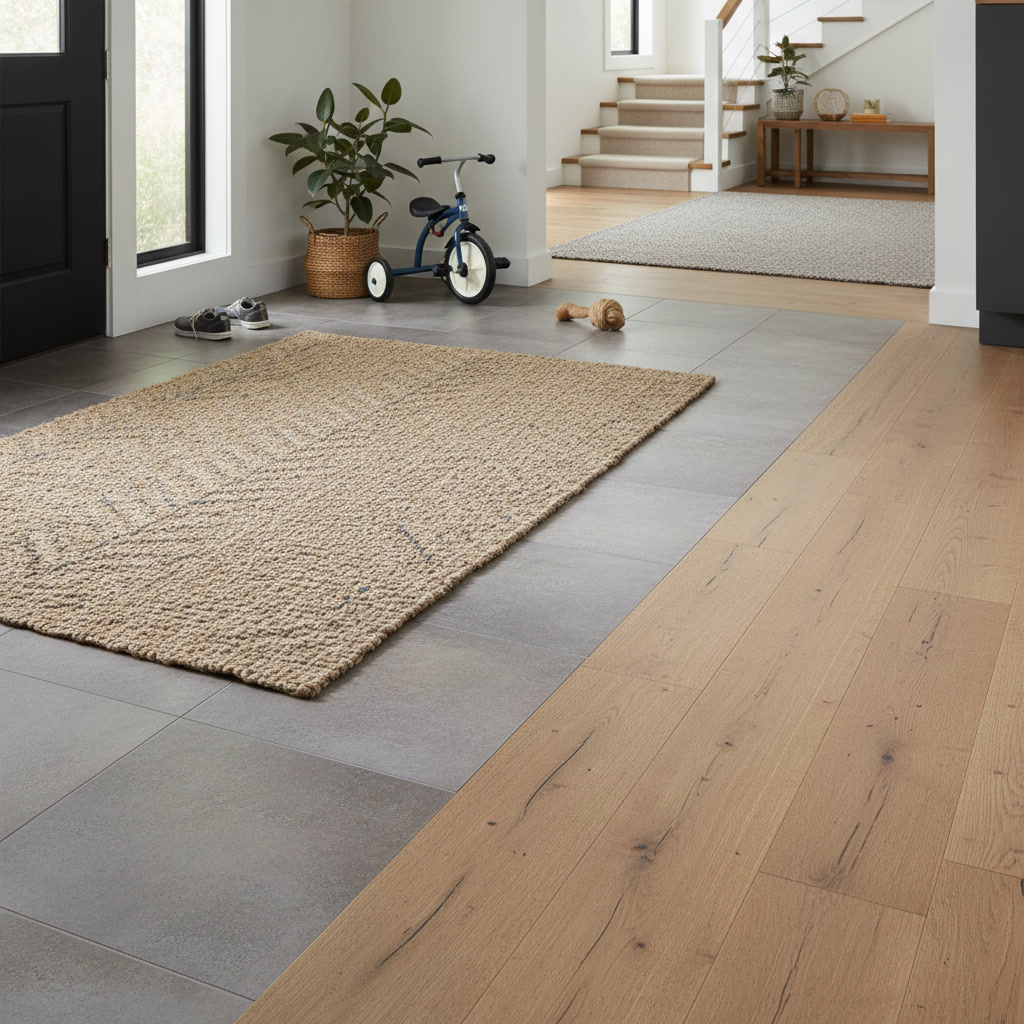
Larger format tiles reduce the number of grout lines, cutting down on maintenance. Rectified edges allow for tighter grout joints, which also simplifies cleaning. Tile works especially well in entryways where snow and salt from Lansing winters would damage other materials. Pair it with radiant floor heating to offset the naturally cool surface.
Laminate Flooring: Budget-Friendly Durability with Limitations
Laminate offers a cost-effective alternative to hardwood with good scratch resistance. The image layer is protected by a clear wear layer, and higher AC ratings deliver better performance. However, laminate is not waterproof. Spills that sit too long can cause swelling at the seams, and once damaged, laminate planks usually need replacement rather than repair.
Laminate works well in living rooms, hallways, and dining areas but should be avoided in bathrooms and laundry rooms. If you’re working on a whole-home project and want to plan a remodeling project that includes multiple flooring types, laminate can be a smart choice for moderate traffic zones while reserving more durable options for the heaviest use areas.
How to Match Flooring Material to Specific Room Functions
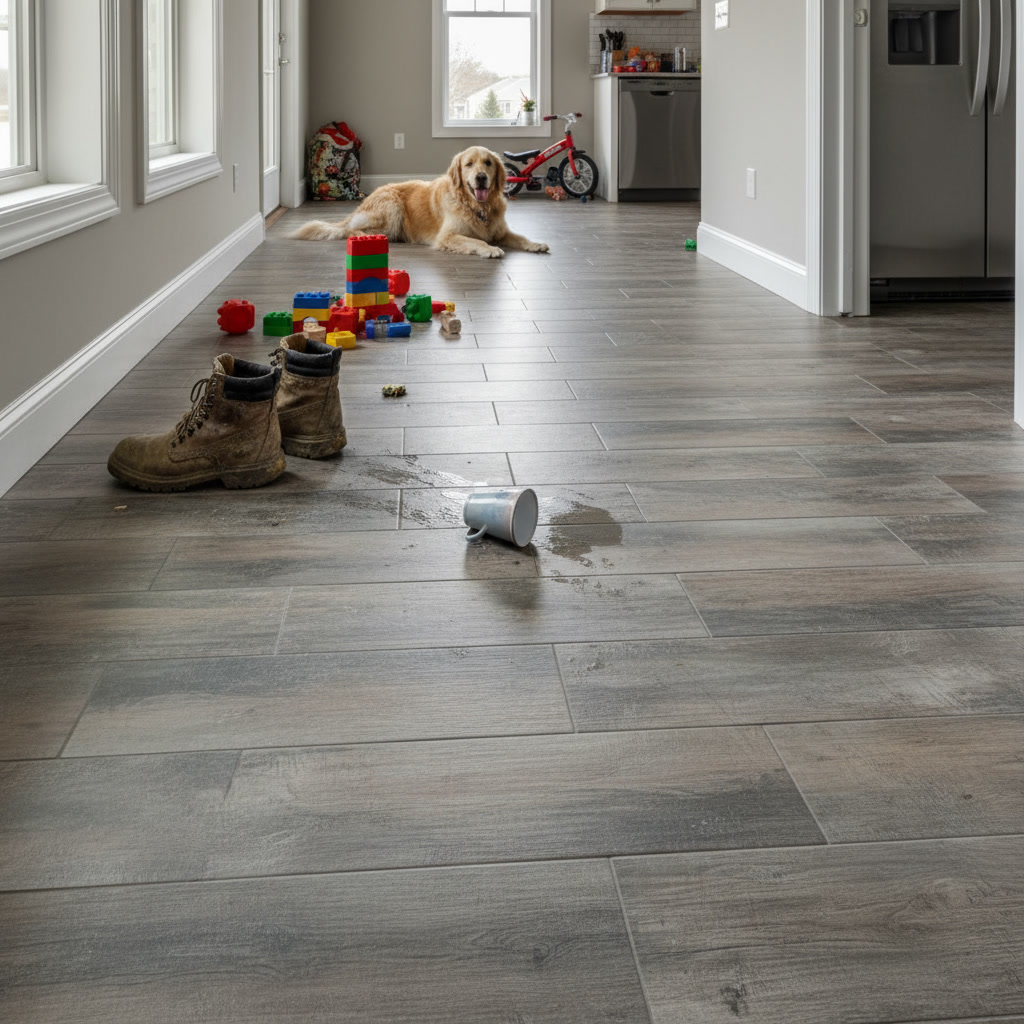
Entryways and mudrooms benefit most from tile or luxury vinyl plank because they handle moisture and dirt without damage. Hallways experience constant foot traffic but less moisture, making engineered hardwood or laminate good fits. Kitchens need waterproof materials like tile or luxury vinyl, especially near sinks and dishwashers.
Living rooms and dining areas can handle a wider range of materials because spills are less frequent and moisture exposure is minimal. If you have pets, avoid softer hardwoods and consider scratch-resistant vinyl or harder wood species. Homes with kids should prioritize materials that clean easily and resist staining, which often points toward vinyl or tile.
Installation Methods That Improve Longevity
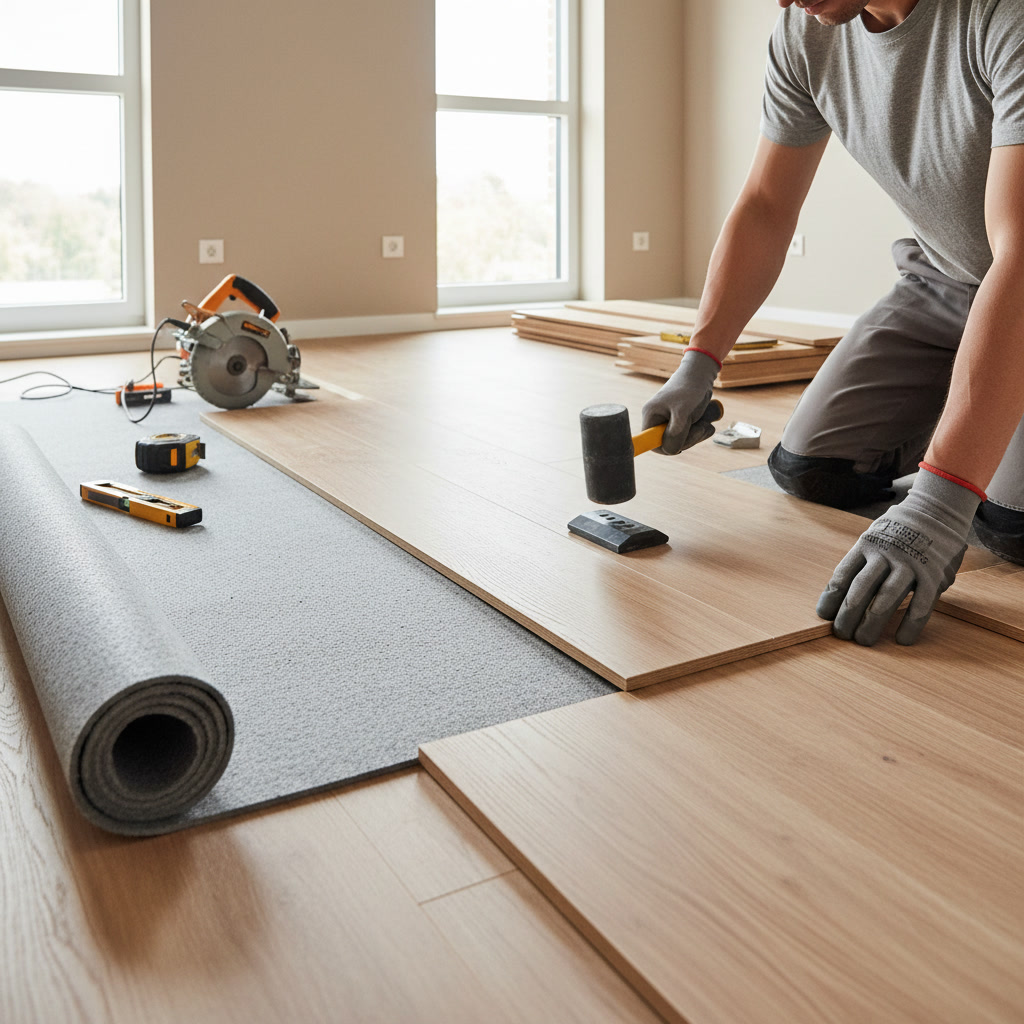
Proper installation extends the life of any flooring material. Subfloor preparation matters more than most homeowners realize. Uneven subfloors cause planks to flex and crack over time, especially with floating floors. A variance greater than 3/16 inch over 10 feet requires leveling before installation.
Moisture barriers protect against humidity from concrete slabs. Expansion gaps around room perimeters allow natural movement without buckling. For tile, using the right thinset for your substrate and tile type prevents cracking. If you’re tackling a kitchen remodeling project, coordinate flooring installation timing with cabinetry to avoid conflicts and ensure clean transitions.
Maintenance Requirements That Affect Long-Term Performance
Even the most durable flooring fails without proper maintenance. Hardwood and engineered wood need regular sweeping and occasional refinishing or recoating. Use felt pads under furniture legs and area rugs in the highest traffic paths to distribute wear.
Tile requires grout sealing every one to two years depending on traffic and the type of grout used. Epoxy grout resists staining better but costs more upfront. Vinyl needs only regular sweeping and damp mopping with pH-neutral cleaners, but avoid abrasive scrubbers that can dull the wear layer. Laminate should never be wet-mopped, only damp-mopped with minimal water.
Cost Considerations Beyond the Initial Purchase Price
Budget-conscious homeowners often focus only on material cost per square foot, but installation and long-term maintenance affect total ownership cost. Tile installation is labor-intensive and expensive, but the material lasts decades with minimal upkeep. Laminate installs quickly and cheaply but may need replacement sooner in high traffic areas.
Hardwood costs more upfront but can be refinished multiple times, potentially lasting the life of the home. Luxury vinyl sits in the middle, with moderate material and installation costs and excellent longevity. When planning your budget, factor in underlayment, transitions, baseboards, and any subfloor prep needed. If you’re also considering other updates, understanding how refinishing compares to replacing hardwood can help prioritize spending.
Making a Choice That Fits Your Home and Lifestyle
The best flooring material depends on how you actually use your space. A household with three large dogs has different needs than a couple without pets. Families with young children benefit from softer, waterproof surfaces, while empty nesters may prioritize aesthetics and long-term value.
Visit showrooms and request samples to test at home under your lighting conditions. Walk on display floors in your regular shoes to gauge comfort and noise levels. Consider how each material coordinates with existing finishes if you’re only updating one area. All in One -1- Construction works with homeowners throughout the greater Lansing area to match flooring choices to real-world conditions and project goals.
Choosing durable, maintainable flooring for your home’s busiest areas protects your investment and reduces the need for premature replacement. Focus on materials rated for heavy use, prepare subfloors correctly, and match each space to the right product based on moisture exposure and traffic patterns.
All in One -1- Construction handles flooring installations as part of complete remodeling projects or as standalone updates. Whether you’re refinishing a single room or updating multiple spaces at once, we help you select materials that perform well and stay within budget. Reach out at +15179745763 to discuss your project and get a detailed estimate.